


The Power of Routine: Why Your Body Loves Consistency

January 30, 2026

In a world full of constant change, your body craves one thing more than anything else: consistency. A daily routine may sound simple, but it has a powerful impact on both your physical and emotional well-being. When your days follow a steady rhythm, your body knows what to expect—and that’s where the magic happens.


Our internal systems thrive on predictability. Consistent sleep and wake times help regulate your circadian rhythm, making it easier to fall asleep, wake up refreshed, and maintain steady energy throughout the day. Even your hormones operate more smoothly when your body isn’t forced to adapt to irregular patterns. That’s why people who follow regular schedules often experience better mood stability, sharper focus, and fewer feelings of stress or overwhelm.


Routine also supports healthier choices. When healthy habits—like drinking water, taking medications, exercising, or preparing balanced meals—are part of your daily rhythm, they become easier to maintain. You’re less likely to skip activities that support your health because they no longer require extra motivation or decision-making. Your routine does the heavy lifting for you.


One of the easiest ways to build consistency is to adopt micro-habits—small actions that require little effort but deliver meaningful impact over time. Some lesser-known tips include pairing habits together (like stretching while the coffee brews), setting “anchor moments” throughout your day to trigger healthy actions, or creating a five-minute “reset” in the afternoon to realign your energy. You can also choose a “signature routine”—a simple, repeatable practice you do every single day, such as a short walk after lunch or journaling one sentence before bed. These small, strategic habits help train your brain to stick with routines naturally and reduce the mental load of staying consistent.


Emotionally, structure brings a sense of calm. A reliable routine grounds you, especially during stressful or uncertain times. It creates touchpoints throughout the day that remind your mind and body, “You’re safe. You’re supported. You’re in control.” That stability can be especially meaningful for adults managing chronic conditions or navigating life transitions like retirement or caregiving.


Of course, life isn’t always predictable—and that’s okay. Routines aren’t about perfection; they’re about creating a strong foundation. Even small consistencies, like starting your morning with a glass of water or taking a daily walk, send powerful signals to your body that promote balance and well-being.


The bottom line: Your body loves routine because routine loves your body right back. Building steady, supportive habits may be one of the simplest—and most effective—ways to improve your health, boost your energy, and feel your best every day.

Nurse talking with an older couple in a cozy living room, holding a tablet and discussing care information.
June 24, 2026
U.S. News & World Report has rated over 12,000 home health agencies. Learn how the rankings work and why they matter for your care and coverage decisions.
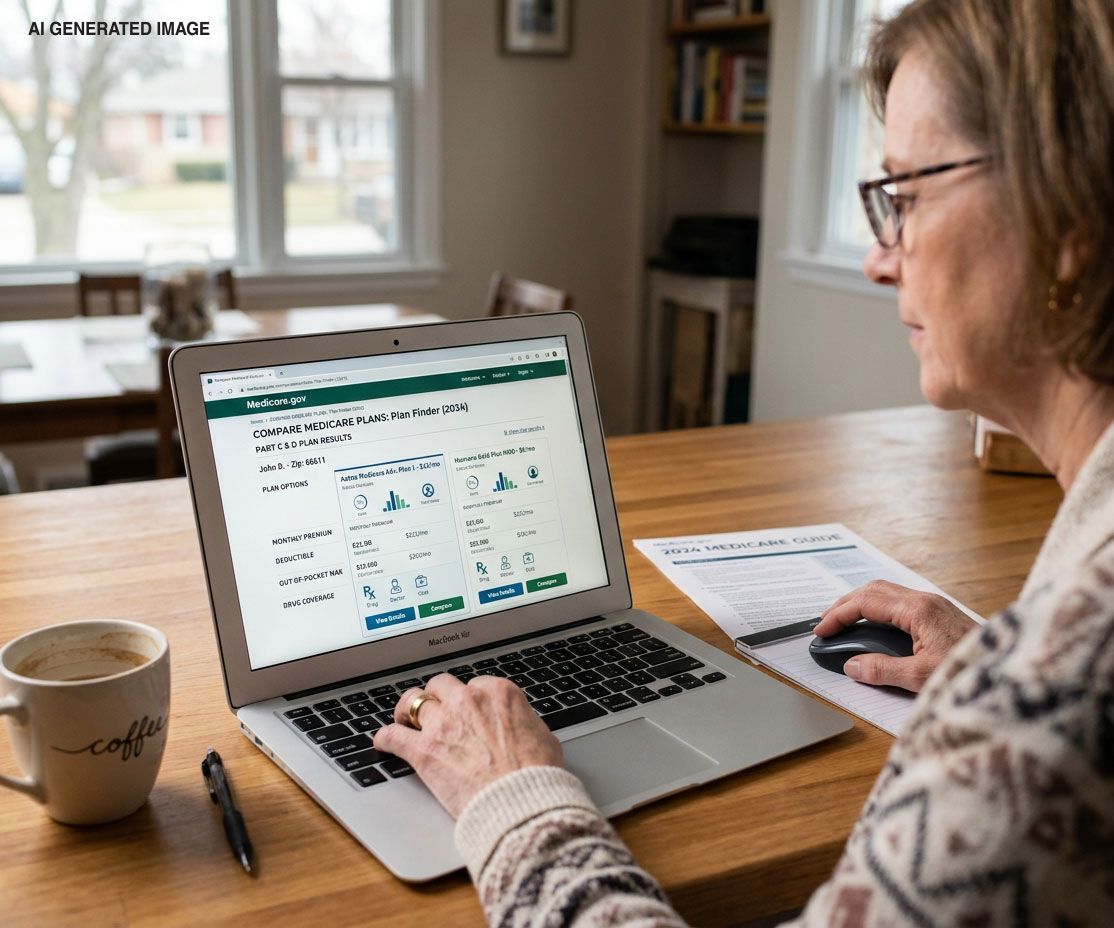
Person working on a laptop at a wooden table in a bright home office, with coffee and a mouse nearby
June 17, 2026
Ten percent of Medicare Advantage plans were discontinued for 2026. Here is what affected beneficiaries should know about their coverage options and rights.

Two smiling people hugging outdoors, wearing red and navy clothing.
June 10, 2026
June is Alzheimer's & Brain Awareness Month. Learn how Medicare supports cognitive health with wellness visits, dementia care planning, and caregiver resources.
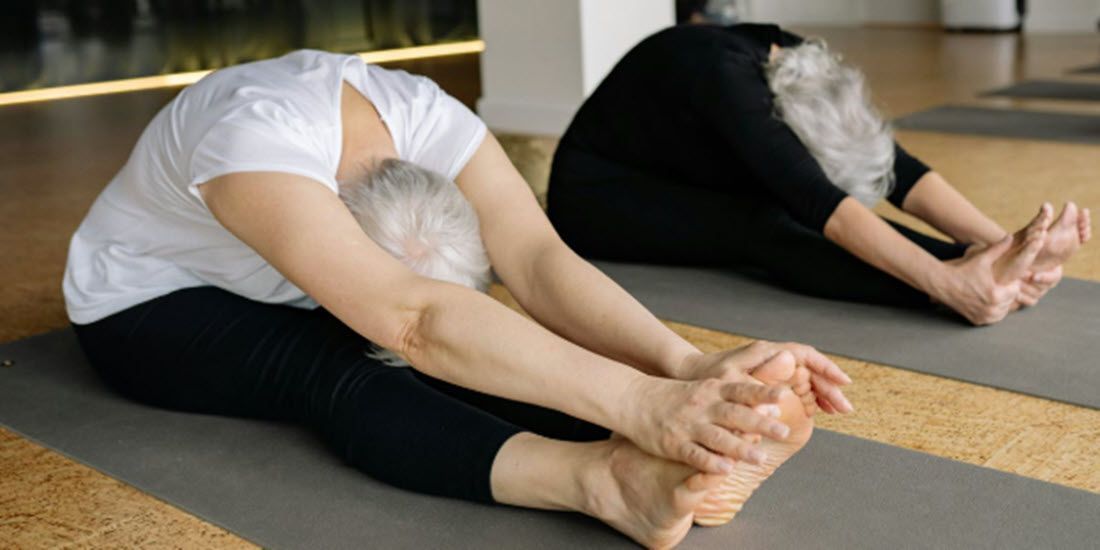
Two people in white shirts stretch forward seated on black mats in a bright studio.
June 4, 2026
Starting July 2026, Medicare's new GLP-1 Bridge program may cover Wegovy, Zepbound, and Foundayo for weight loss at a $50 monthly copay. Here's what to know.

Friends high-fiving outdoors by a wooden bench, smiling in bright casual clothes.
May 27, 2026
Medicare expands access to virtual diabetes prevention programs and repeat participation, improving access for seniors at risk of Type 2 diabetes.
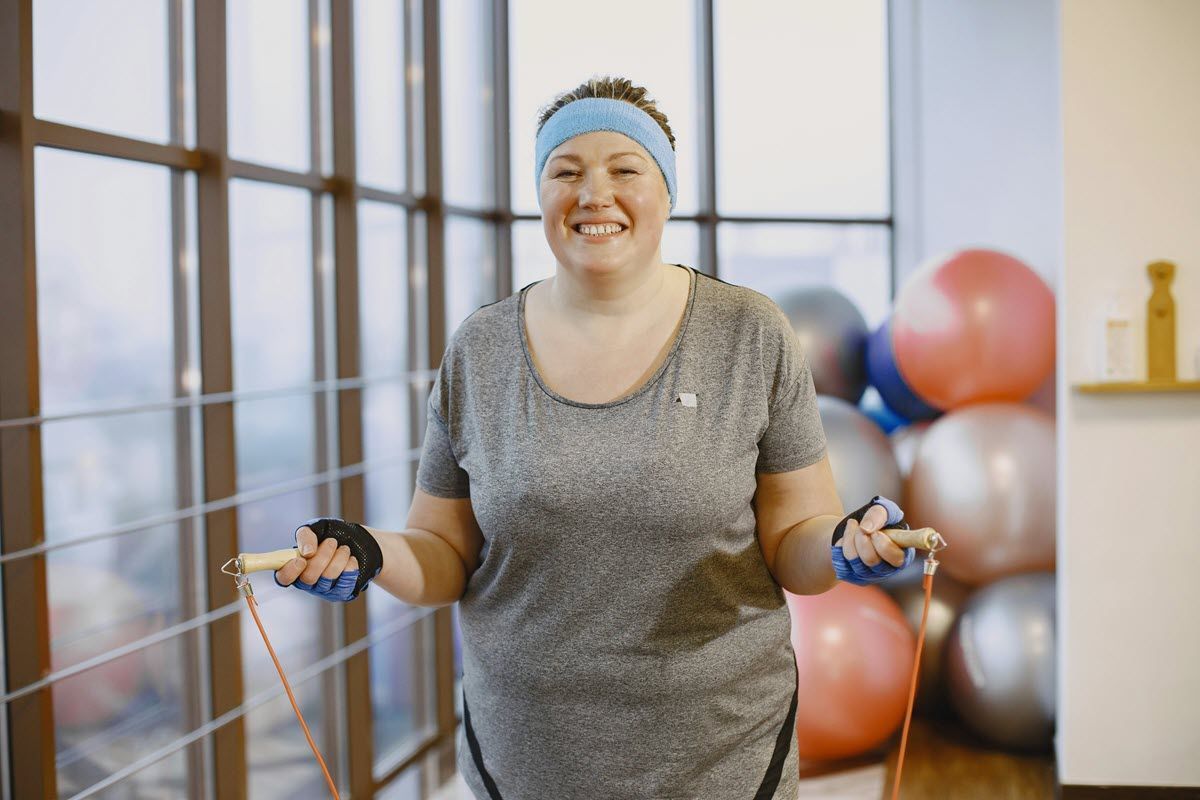
Person skipping rope in a gym, smiling, with exercise balls in the background
By Allison Babberl May 20, 2026
Discover how regular exercise can boost mood, reduce depression symptoms, and support mental health with simple, achievable daily movement.

Two people sitting on a trailer with an American flag, outdoors in daylight
May 13, 2026
Learn how VA benefits and Medicare work together, when they don’t coordinate, and what Veterans should know to avoid penalties and coverage gaps.
Scrabble tiles spelling “MENTAL HEALTH MATTERS” on a bright red background
May 6, 2026
Learn how Medicare covers mental health services, including therapy, counseling, and screenings, and how to access support when you need it.

An older adult lies on the floor, clutching her knee, cane and glasses nearby, with a fallen chair.
By Kenneth Dunne January 23, 2026
Fall monitors help seniors stay safe and independent. Learn how fall detection devices work, why they matter, and how Medicare Advantage plans may help cover the cost.

Woman smiling, holding a Medicare health insurance card.
By Kenneth Dunne January 16, 2026
Enrolled in a new Medicare plan? Read practical tips to help you transition smoothly, from reviewing plan materials and sharing your new ID card to confirming coverage and prescriptions.
Show More